Burnout vs. Stress: A Mental Health Test to Tell the Difference
Feeling completely drained, cynical, and just… done? You might be quick to say you're "stressed out," but what if it's something more? Many of us use the terms stress and burnout interchangeably, but they are fundamentally different states with unique causes and solutions. Understanding this distinction is the first critical step toward reclaiming your well-being. So, how to test mental health when you feel this overwhelmed? This guide will help you decipher the signals your mind and body are sending.
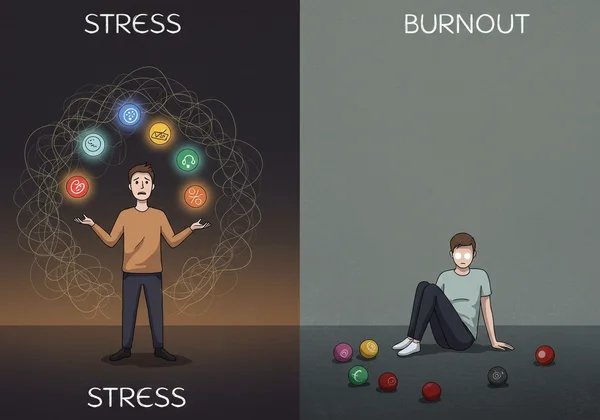
We will explore the key differences between burnout and stress, detail the 10 most common signs of burnout, and show you how a confidential mental health test can offer the clarity you need to move forward.
What Exactly Is Burnout? Defining the Exhaustion Beyond Tiredness
Burnout is more than just having a few bad days or feeling tired after a long week. The World Health Organization (WHO) classifies it as an "occupational phenomenon" resulting from chronic workplace stress that has not been successfully managed. It's a state of profound emotional, physical, and mental exhaustion. While stress is often characterized by a sense of urgency and over-engagement, burnout is defined by disengagement and a feeling of emptiness.
The Three Core Dimensions of Burnout: Emotional, Cynical, Ineffective
To truly grasp burnout, it's helpful to understand its three core components, often referred to as the pillars of this condition.
-
Emotional Exhaustion: This is the deep-seated fatigue that sleep doesn't fix. It feels like your emotional resources are completely depleted, leaving you with little energy for your work, your relationships, or your personal life.
-
Cynicism or Depersonalization: This involves developing a detached, negative, or overly cynical attitude towards your job and even your colleagues or clients. You might feel irritable and begin to distance yourself emotionally as a coping mechanism.
-
Reduced Professional Efficacy: This is the nagging feeling of incompetence and a lack of achievement. Despite your efforts, you feel ineffective and unproductive, which can erode your confidence and sense of purpose.

Is Burnout a Mental Disorder? Understanding Its Official Recognition
It's important to clarify that while the WHO recognizes burnout, it is not classified as a medical condition or a mental disorder in the same way as anxiety or depression. Instead, it’s defined specifically in the context of work. However, the symptoms of burnout can significantly impact your mental wellbeing and often overlap with conditions like depression and anxiety. Left unaddressed, burnout can contribute to or worsen these mental health challenges.
Beyond Exhaustion: 10 Common Signs of Burnout You Shouldn't Ignore
Recognizing the signs of burnout is crucial for early intervention. While everyone's experience is different, these ten common indicators can signal that you're moving from chronic stress into burnout territory.
Persistent Physical & Mental Fatigue: The Deep Weariness
This isn’t just feeling sleepy; it’s a bone-deep exhaustion that lingers day after day. You might wake up feeling just as tired as when you went to bed, finding it difficult to muster the energy for even simple tasks.
Increased Detachment & Cynicism Towards Work or Life
You may start to feel disconnected from your job and the people around you. A once-fulfilling career may now feel like a burden, leading to negative and cynical thoughts about your role and the organization.
Feeling of Ineffectiveness & Reduced Professional Accomplishment
You doubt your abilities and constantly feel like you're not making a difference. This sense of inefficacy can create a vicious cycle where a lack of accomplishment fuels further feelings of burnout.
Irritability, Impatience, and Short Temper
Small annoyances that you used to brush off now trigger frustration or anger. You may find yourself snapping at colleagues, friends, or family members with increasing frequency.
Difficulty Concentrating & Memory Problems
Burnout fogs the brain. You might find it hard to focus on tasks, forget appointments, or struggle to recall information. This cognitive impairment is a direct result of mental exhaustion.
Physical Symptoms: Headaches, Stomach Issues, Sleep Disturbances
Your body often keeps score. Chronic burnout can manifest physically through frequent headaches, digestive problems, muscle pain, and an inability to fall or stay asleep, even when you're exhausted.
Lack of Motivation & Apathy
The drive you once had is gone. You may struggle to start projects or feel a general sense of apathy about your work and personal goals. The "why" behind your efforts feels lost.
Social Withdrawal & Isolation
Because your energy is so depleted, socializing can feel like a monumental effort. You might turn down invitations, avoid conversations with coworkers, and isolate yourself from your support system.
Increased Procrastination & Reduced Productivity
Tasks pile up as you find it harder and harder to get started. This isn't laziness; it's a symptom of being completely overwhelmed. As a result, your overall productivity declines.
Feelings of Helplessness & Hopelessness
At its worst, burnout can lead to a sense of being trapped with no way out. A feeling of helplessness can take over, making you believe that nothing you do will make a difference.
Burnout vs. Stress: Key Differences & Why It Matters for Your Health
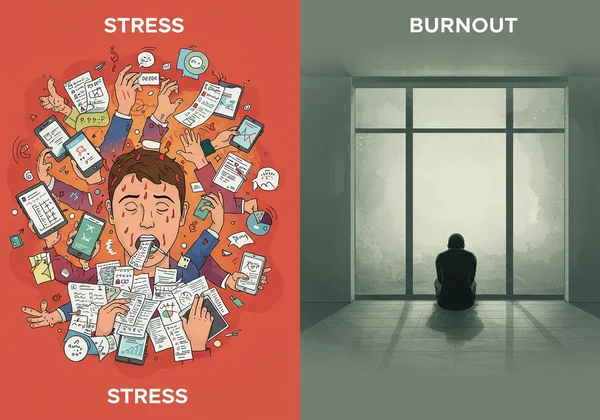
Distinguishing between burnout vs stress is vital because they require different approaches to manage. Think of it this way: if stress is drowning in responsibilities, burnout is the feeling of having run completely dry.
Stress: Over-engagement, Urgency, Hyperactivity
Stress is often characterized by a state of over-arousal. Your emotions are heightened, you may feel anxious and hyperactive, and there’s a constant sense of urgency. You believe that if you can just get everything under control, you'll feel better. The damage is primarily physical in the short term, but it can drain your energy.
Burnout: Disengagement, Helplessness, Hopelessness
Burnout, in contrast, is a state of disengagement. Your emotions feel blunted, and you operate from a place of helplessness and hopelessness. You don't see a possibility of improvement, leading you to feel empty and detached. The damage is primarily emotional, leaving you feeling unmotivated and cynical.
Why Understanding the Distinction Leads to Better Coping Strategies
Knowing what you’re dealing with allows you to find the right solution. Stress management often focuses on calming the nervous system and regaining a sense of control. Burnout recovery, however, requires rest, re-evaluation of goals and boundaries, and finding ways to reconnect with a sense of purpose. Using the wrong approach can be ineffective and even frustrating.
Taking the Next Step: Self-Care & When to Seek Professional Support
If you recognize yourself in the descriptions of burnout or chronic stress, it's time to take action. The first step is acknowledging the problem without judgment. From there, you can begin to implement strategies to support your recovery.
Practical Self-Care Strategies for Managing Symptoms
Whether you're dealing with stress or burnout, prioritizing self-care is non-negotiable. This can include:
-
Setting Boundaries: Learn to say "no" to new commitments and protect your time and energy.
-
Prioritizing Rest: Ensure you are getting enough quality sleep and taking regular breaks throughout the day.
-
Mindfulness and Relaxation: Techniques like meditation, deep breathing, or yoga can help calm an overactive mind.
-
Connecting with Others: Reach out to trusted friends, family, or colleagues for support.
-
Rediscovering Joy: Make time for hobbies and activities that you genuinely enjoy, outside of work.
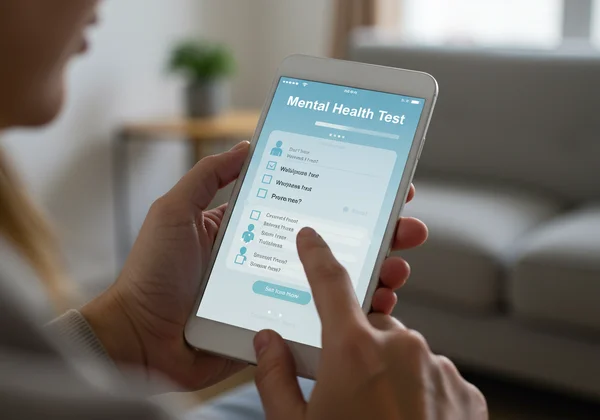
Is It Burnout, Stress, Anxiety, or Depression? Take a Free Mental Health Test
The symptoms of burnout, stress, anxiety, and depression can be complex and often overlap. Disentangling them on your own can be confusing. This is where an objective tool can provide valuable insight. This free and confidential screening can help you understand the severity of your symptoms and give you a clearer picture of your emotional state. It’s a simple, private first step toward gaining knowledge and control.
Empower Yourself: Understand & Address Your Emotional Well-being
You don't have to navigate these challenging feelings alone. Recognizing the signs of burnout and understanding how it differs from stress empowers you to take meaningful action. Your emotional well-being is a priority, and giving it the attention it deserves is a sign of strength.
Ready to gain clarity? Visit MentalHealthTest.me to take a free, anonymous, and science-based mental health assessment. In just a few minutes, you can receive personalized feedback to help you understand your feelings and decide on your next steps.
Common Questions About Burnout, Stress, and Mental Well-being
What are 5 common signs of poor mental wellbeing?
Five key indicators of poor mental wellbeing include persistent sadness or irritability, a significant change in sleep or appetite, social withdrawal, loss of interest in activities you once enjoyed, and difficulty concentrating or making decisions. If these signs persist, it's a signal to pay closer attention to your emotional health.
How accurate is an online mental health test for identifying burnout?
While an online tool cannot provide a clinical diagnosis, a scientifically-backed mental health test is a highly effective screening tool. Our tests are based on clinically recognized scales like the PHQ-9 and GAD-7, which are used by professionals to assess symptoms of depression and anxiety that often overlap with burnout. They provide a reliable snapshot of your current emotional state and can indicate whether your symptoms warrant further professional evaluation. You can get your results quickly and confidentially.
Can an online test tell me if I have burnout or just stress?
An online assessment can help differentiate between the two by measuring specific symptoms. For example, our online mental health test evaluates factors related to depression (like hopelessness and loss of interest) and anxiety (like worry and feeling on edge). By analyzing your responses, the results can highlight patterns more consistent with burnout (e.g., high scores in depressive symptoms) or chronic stress (e.g., high scores in anxiety symptoms), giving you a clearer direction.
What should I do if my test results indicate high levels of stress or potential burnout?
Your results are a starting point for action. They can validate your feelings and provide a basis for a conversation with a doctor or mental health professional. The report you receive from our confidential screening tool includes actionable advice and resources. We strongly recommend sharing your results with a healthcare provider to discuss a personalized plan for recovery.
Disclaimer: This article is for informational purposes only and does not constitute medical advice. The content is not intended to be a substitute for professional medical advice, diagnosis, or treatment. Always seek the advice of your physician or another qualified health provider with any questions you may have regarding a medical condition.