Comprehensive Mental Health Test: Understanding Your GAD-7 Score and Next Steps for Anxiety
Receiving a moderate or high score on a GAD-7 anxiety test can feel unsettling, perhaps even overwhelming. Taking the step to assess your emotional wellbeing is a sign of strength, and now you have a starting point. This guide is here to walk you through the next steps for anxiety, providing clear, actionable advice to help you understand your results and empower you on your path forward. What does this score really mean, and what should you do now? Let’s navigate this together.
First, take a deep breath. A score is not a label; it is a piece of information. It's a tool that helps you gain insight into your current emotional state. At MentalHealth Test, our goal is to provide you with a confidential and reliable first step, like a free mental health test, to begin your journey of self-understanding. This guide will help you interpret that first step and decide on the ones that follow.
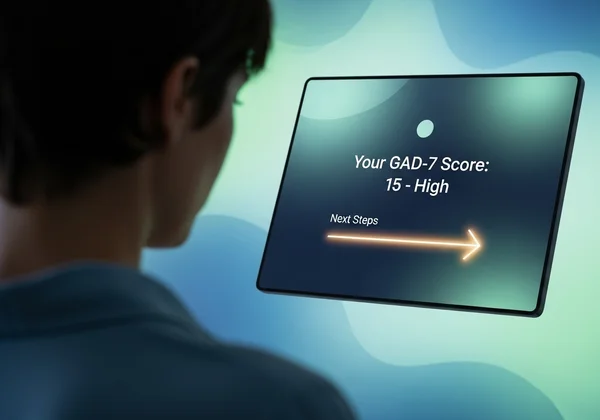
Understanding Your Moderate or High GAD-7 Score
A GAD-7 score in the moderate (10-14) or high (15-21) range suggests that you are experiencing anxiety symptoms more frequently and intensely than is typical. This result is a strong indicator that anxiety may be significantly impacting your daily life. It’s a signal to pay closer attention to your mental health and consider what support you may need. Remember, this is a very common experience, and you are not alone in feeling this way.
A GAD-7 test is a valuable screening tool, but it's important to understand its purpose. It's designed to identify potential concerns, not to provide a definitive mental health diagnosis. Think of it as a smoke detector: it alerts you to a potential issue so you can investigate further and take appropriate action. Your score is a conversation starter—with yourself and potentially with a healthcare professional.
What a GAD-7 Score Means for Your Anxiety
Your GAD-7 score interpretation is based on how often you've been bothered by various symptoms over the past two weeks. A moderate or high score indicates that symptoms like persistent worry, restlessness, irritability, and difficulty relaxing are likely interfering with your work, social life, or personal responsibilities. It quantifies feelings that can often seem vague and overwhelming.
This score provides a clear, objective snapshot of your current state. It’s evidence that what you're feeling is real and significant. Instead of just saying "I feel anxious," you can now say, "I am experiencing symptoms consistent with moderate anxiety, and they are affecting me several days a week." This clarity is the first step toward finding effective coping mechanisms and solutions. You can always revisit the GAD-7 test to track how your symptoms change over time.
The Role of Online Mental Health Screening Tools
Our platform serves a crucial purpose: to make initial mental health screening accessible, private, and stigma-free. Our tests, including the GAD-7 for anxiety and the PHQ-9 for depression, are based on clinically validated questionnaires used by professionals worldwide. They provide a safe space to explore your feelings without judgment or commitment.
The key advantage of an online mental health test is empowerment. It gives you immediate, data-driven feedback that you can use to make informed decisions. Whether you choose to explore self-care strategies or decide it's time to speak with a doctor, you are doing so from a place of knowledge. Our anonymous platform ensures you can take this step with complete privacy and confidence.
Immediate Self-Care Strategies for Moderate Anxiety Help
After receiving your results, you can take immediate, proactive steps to manage your anxiety symptoms. These self-care strategies are not a cure, but they can provide significant relief and help you build resilience. Think of them as foundational practices for supporting your overall emotional wellbeing.
These techniques are powerful because they can be practiced anywhere and at any time, giving you a sense of control when feelings of anxiety begin to rise. Integrating them into your daily routine can make a noticeable difference in your ability to cope with stressors.
Practicing Mindfulness and Relaxation Techniques
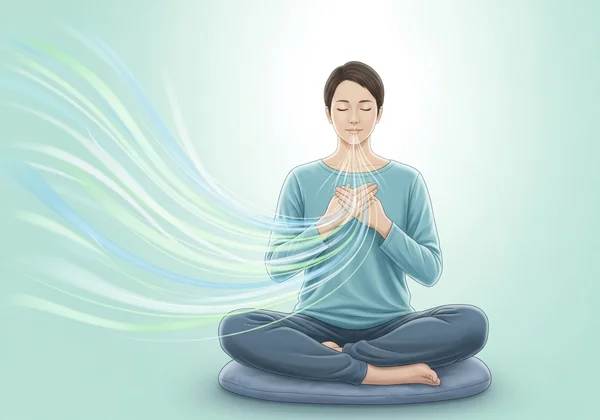
One of the most effective coping mechanisms for anxiety is mindfulness. This practice involves bringing your attention to the present moment without judgment. When you feel overwhelmed by worry about the future, grounding yourself in the present can break the cycle of anxious thoughts.
Here are two simple techniques to start with:
-
Box Breathing: Inhale slowly for four counts, hold your breath for four counts, exhale slowly for four counts, and hold again for four counts. Repeat this cycle for a few minutes. This regulates your breathing and calms your nervous system.
-
The 5-4-3-2-1 Grounding Method: Name five things you can see, four things you can touch, three things you can hear, two things you can smell, and one thing you can taste. This exercise pulls your focus away from internal worry and into your external environment.
Lifestyle Adjustments to Support Your Well-being
Your physical health is deeply connected to your mental health. Making small, consistent lifestyle adjustments can create a strong foundation for managing anxiety. These changes help regulate your mood, improve your stress response, and boost your overall sense of wellbeing.
Consider focusing on these four areas:
- Sleep: Aim for 7-9 hours of quality sleep per night. Poor sleep can amplify anxiety, so creating a relaxing bedtime routine is crucial.
- Nutrition: A balanced diet stabilizes your mood and energy levels. Pay attention to how caffeine, sugar, and alcohol affect your anxiety; for many, reducing them helps.
- Exercise: Regular physical activity is a proven anxiety-reducer. Even a 15-minute walk can release endorphins and clear your mind.
- Connection: Make time for friends, family, or activities you enjoy. Social connection combats the isolation that often accompanies anxiety.
Exploring your mental health is a continuous process. You can always take a mental health test to see how these adjustments may be impacting your score.
When and How to Seek Professional Support for Anxiety
Self-care strategies are essential, but for moderate to high levels of anxiety, they are often most effective when combined with professional guidance. Deciding to seek help is a courageous step towards long-term wellness. A mental health professional can provide a formal diagnosis, create a personalized treatment plan, and offer therapeutic strategies tailored to you.
Navigating the healthcare system can feel daunting, but you've already done the hard part by identifying the need. A resource like our free mental health assessment can give you the confidence and a clear starting point for that first conversation with a professional.

Deciding If Professional Help is Right for You
How do you know when it's time to reach out to a professional? While a high GAD-7 score is a strong indicator, also consider how your symptoms affect your daily functioning. If anxiety is making it difficult to perform at work or school, damaging your relationships, or preventing you from enjoying life, it is time to seek support.
You don't have to be at a crisis point to benefit from therapy. A therapist can help you develop advanced coping skills, understand the root causes of your anxiety, and guide you through challenges. If self-help feels like it isn't enough, that is a perfectly valid reason to seek professional help.
Preparing for a Conversation with Your Doctor or Therapist
The thought of discussing your mental health can be intimidating, but preparation can make the process smoother. Your GAD-7 results are an excellent tool to bring with you. It provides your doctor or therapist with a clear, concise summary of your symptoms.
Here’s how you can prepare:
- Bring Your Results: Share your GAD-7 score and the specific symptoms you've been experiencing.
- List Your Concerns: Write down key points you want to discuss so you don't forget anything important.
- Be Honest: Professionals are there to help, not to judge. The more open you are, the better they can support you.
- Ask Questions: Inquire about treatment options, what to expect from therapy, and any other concerns you may have.
Exploring Treatment Options and Resources
A mental health professional will work with you to determine the best course of action. Common anxiety treatment options include psychotherapy (talk therapy), such as Cognitive-Behavioral Therapy (CBT), which is highly effective for anxiety. In some cases, medication may also be recommended.
Your journey to better mental health is unique. The right combination of self-care, professional support, and lifestyle adjustments can lead to profound and lasting improvement. The comprehensive mental health test is just the beginning of that empowering journey.
Your Empowering Journey: Steps Forward from Anxiety
Receiving a moderate or high GAD-7 score is not an end point; it's a signpost. It directs you to look closer, to care for yourself more intentionally, and to seek the support you deserve. You have already taken the courageous first step by seeking to understand your feelings through a mental health test online. Remember, your score is a guide, not a definition of who you are.
By exploring self-care strategies and considering professional support, you are actively investing in your long-term wellbeing. Continue to use our resources to track your progress and explore other aspects of your emotional health. You are on the right path, and every step you take is a move toward a healthier, more balanced life.
FAQ Section
How accurate is an online mental health test like GAD-7?
An online test like the GAD-7 is a highly reliable screening tool. It is based on a questionnaire that has been scientifically validated and is used by clinicians globally to measure the severity of anxiety symptoms. While it accurately reflects your current symptom level, it is not a substitute for a formal diagnosis from a qualified healthcare professional.
Does a high GAD-7 score mean I have an anxiety disorder?
No, a high GAD-7 score does not automatically mean you have an anxiety disorder. It indicates that you are experiencing significant anxiety symptoms that warrant further attention and discussion with a doctor or therapist. A formal diagnosis can only be made after a comprehensive evaluation by a professional who can consider your full personal and medical history. Taking a free anxiety test is an excellent first step toward getting that professional opinion.
What are 5 signs of poor mental wellbeing that indicate I should seek help?
Beyond a test score, here are five general signs that it may be time to seek professional help:
- Persistent and Overwhelming Feelings: You constantly feel sad, anxious, or worried, and these feelings interfere with your daily life.
- Significant Changes in Behavior: You notice drastic changes in your sleep patterns, appetite, or energy levels.
- Social Withdrawal: You avoid social situations or lose interest in hobbies and activities you once enjoyed.
- Difficulty Functioning: You struggle to concentrate, meet responsibilities at work or home, or make decisions.
- Unexplained Physical Ailments: You experience frequent headaches, stomach problems, or other physical pains without a clear medical cause.