Comprehensive Mental Health Test: Understanding Your Results and When to Seek Help
Receiving the results of a mental health test can be a pivotal moment. You’ve taken a courageous step towards understanding your emotional wellbeing, but now you might be wondering, what comes next? That score—whether it suggests mild anxiety, moderate stress, or something else—is a valuable piece of information, but it's not the end of the story. It's the beginning of a new chapter in self-awareness. This guide is here to help you navigate your results and decide on the best path forward, empowering you to take control of your mental health journey. If you haven't yet, you can start your self-assessment today.

When Your Mental Health Test Suggests Professional Support
An online mental health screening is like a check-engine light for your emotional state. It signals that something might need attention. It provides a snapshot, a starting point for a deeper conversation. Recognizing when that signal points toward professional support is a crucial next step in prioritizing your wellbeing.
Interpreting Your Online Mental Health Test Scores
The first thing to understand is that a score from an online mental health test is not a diagnosis. Tools like the GAD-7 for anxiety or the PHQ-9 for depression are scientifically validated screening questionnaires. They are designed to measure the frequency and severity of symptoms. Generally, results are categorized into levels such as minimal, mild, moderate, or severe.
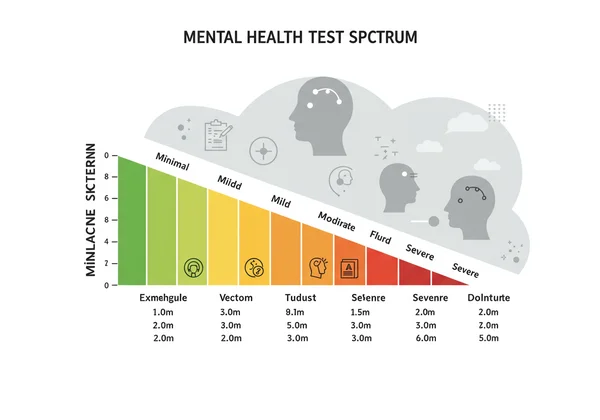
- Minimal to Mild: These scores may indicate that you're experiencing some symptoms, but they might not be significantly disrupting your daily life. This could be an opportunity to focus on self-care, stress management techniques, or lifestyle adjustments.
- Moderate: A moderate score suggests that your symptoms are present more consistently and are likely having a noticeable impact on your work, relationships, or overall quality of life. This is a strong indicator that a conversation with a professional could be highly beneficial.
- Severe: A score in this range indicates that your symptoms are frequent, intense, and are likely causing significant distress or impairment. It is strongly recommended that you seek professional mental health help to get a comprehensive assessment and develop a treatment plan.
Recognizing Key Signs Beyond Just a Score
Your score is important, but your personal experience is paramount. Numbers don't capture the full picture. Regardless of your score, it's time to consider seeking help if you notice any of the following signs:
- Impact on Daily Functioning: Are your feelings making it difficult to get out of bed, concentrate at work or school, or maintain your relationships? When mental health challenges interfere with your ability to live your life, professional support can help.
- Duration of Symptoms: Have you been feeling this way for more than a few weeks? While everyone has bad days, persistent feelings of sadness, anxiety, or hopelessness are a key sign that it's time to talk to someone.
- Overwhelming Emotions: Do you feel like your emotions are uncontrollable or disproportionately intense for the situations you're in? Therapy can provide you with the tools to understand and manage these feelings effectively.
- Reliance on Unhealthy Coping Mechanisms: Are you turning to substances, avoiding social situations, or using other harmful behaviors to cope with your feelings? A professional can help you develop healthier strategies.
Finding the Right Professional Mental Health Care
Deciding to seek help is the first step; finding the right person to talk to is the next. The world of mental health care can seem complex, but there are many pathways to finding the support you need. The goal is to find a qualified professional with whom you feel comfortable and understood.
Where to Look for Qualified Mental Health Professionals
Finding a therapist or counselor is more accessible than ever. Here are some reliable places to start your search:
- Your Primary Care Doctor: Your family doctor is an excellent first point of contact. They can rule out any physical causes for your symptoms and provide a referral to a trusted mental health specialist.
- Insurance Provider Directories: Most insurance companies have online portals that allow you to search for in-network mental health professionals in your area.
- University and Community Health Centers: If you are a student or have a limited budget, local universities and community centers often provide low-cost or free counseling services.
- Online Therapy Platforms: Websites and apps now connect users with licensed therapists via text, phone, or video, offering a convenient and flexible option.
Understanding Different Types of Mental Health Professionals
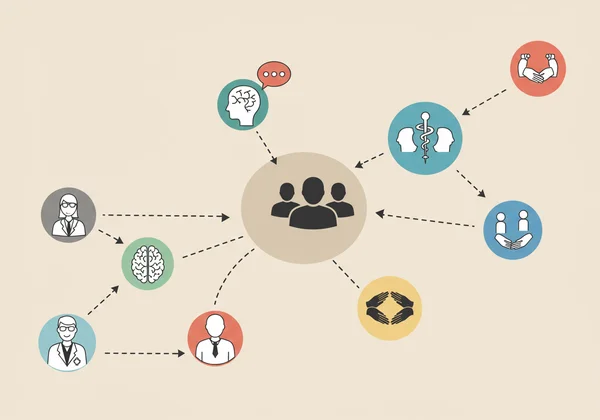
Navigating the different titles and credentials can be confusing. Here’s a simple breakdown of the most common types of professionals who provide mental health support:
- Psychiatrist (MD): A medical doctor who specializes in mental health. They can diagnose conditions, provide therapy, and are the only ones who can prescribe medication.
- Psychologist (PhD or PsyD): A professional with a doctoral degree in psychology. They are experts in psychotherapy and psychological testing but typically cannot prescribe medication.
- Licensed Professional Counselor (LPC) or Licensed Mental Health Counselor (LMHC): These counselors have a master's degree and are trained to provide therapy for a wide range of emotional and behavioral issues.
- Licensed Clinical Social Worker (LCSW): A social worker with a master's degree and specialized clinical training. They provide therapy and connect clients with practical resources.
Preparing for Your First Consultation: What to Expect
Feeling nervous before your first appointment is completely normal. Knowing what to expect can help ease your anxiety. The initial session is typically a "get-to-know-you" meeting where the therapist will ask about what brought you in, your symptoms, and your personal history. It's also your chance to ask them questions about their approach and experience. Remember, this is a collaborative process. Finding the right fit is key to a successful therapeutic relationship. Feel free to discover your results from our screening tool to bring to your consultation.
Embracing Your Journey with Professional Mental Health Support
Seeking therapy is not a sign of weakness; it's an act of strength and self-advocacy. It's an investment in your long-term emotional wellbeing. Therapy is a collaborative journey where you and your therapist work together to build resilience and foster growth.
What to Expect from Assessment and Treatment
Once you begin, your therapist will likely conduct a more thorough assessment to gain a deeper understanding of your challenges. From there, you will work together to set goals and create a treatment plan. This plan is tailored to you and may involve various therapeutic techniques, such as Cognitive Behavioral Therapy (CBT), to help you change unhelpful thought patterns, or mindfulness practices to ground you in the present. Therapy provides a safe, confidential space to explore your feelings without judgment. The goal is to equip you with lasting skills for managing life's challenges. A confidential anxiety test can be a great starting point for this conversation.
Building a Sustainable Path to Mental Wellbeing

Therapy is not about a "quick fix." It's about building a sustainable foundation for lasting mental wellbeing. Your therapist is a guide, but you are the one taking the steps. The journey involves practicing new skills, challenging old beliefs, and developing a greater sense of self-compassion. An online mental health test is a fantastic first step, and professional support is the powerful next one on your path to a healthier, more fulfilling life. You've already taken a courageous first step in this journey, and that's a powerful beginning.
Your Empowering Step Towards Lasting Support
Understanding your mental health is a continuous journey. Your mental health test results can serve as a vital guide, offering clarity and validating your experiences. This initial insight empowers you to navigate the path forward. Whether your results suggest focusing on self-care or seeking professional guidance, you have taken an empowering step. You are not alone, and help is available.
Continue to listen to your mind and body. If you feel that professional support is the right next step, we encourage you to take it. Your mental wellbeing is worth it. If you’re ready to gain more insight, take our free test or explore our resources to learn more about your emotional health.
Disclaimer: This article is for informational purposes only and does not constitute medical advice. The content is not intended to be a substitute for professional medical advice, diagnosis, or treatment. Always seek the advice of your physician or other qualified health provider with any questions you may have regarding a medical condition. The screening tests on this website are not a diagnostic tool.
Frequently Asked Questions About Seeking Mental Health Help
How accurate is an online mental health test like this?
Online screening tools, such as our free mental health tests, are highly reliable for identifying symptoms of common mental health conditions. They are based on clinically validated questionnaires (like the GAD-7 and PHQ-9) used in professional settings. However, they are for screening purposes only and cannot provide a formal diagnosis. Their accuracy lies in their ability to flag potential issues that warrant further discussion with a healthcare professional.
What are some signs that indicate professional help is truly needed?
Beyond a high score on a test, key signs include a significant negative impact on your daily life (work, school, or relationships), persistent symptoms lasting for several weeks, feeling that your emotions are overwhelming, and using unhealthy coping mechanisms. If you feel stuck or believe your quality of life has diminished, it is a strong indicator that professional support could be beneficial.
Can an online test diagnose a mental health disorder?
No, an online mental health disorder test cannot provide a diagnosis. A formal diagnosis can only be made by a qualified healthcare professional, such as a psychiatrist or psychologist, after a comprehensive evaluation of your symptoms, history, and context. These online tools are designed to be a safe, anonymous first step to help you understand your symptoms and decide if you should seek a professional opinion. You can get started with a confidential screening tool.
How can I find affordable mental health support?
Affordable mental health care is a valid concern for many. Options include checking with your insurance provider for in-network therapists, looking into local community mental health centers which often offer services on a sliding scale based on income, and exploring university training clinics where you can receive low-cost therapy from graduate students under supervision. Additionally, many online therapy platforms offer more affordable subscription-based plans.