Depression Explained: Symptoms, Types, & Taking a Mental Health Test
The Shadow of Sadness: Navigating the Complex World of Depression
Feeling lost in a fog of sadness that just won’t lift? You're not alone. Millions of people navigate the challenging landscape of depression every day, seeking clarity and a path forward. It's a condition that goes far beyond simple unhappiness, affecting your thoughts, feelings, and even your physical health. Many find themselves wondering, do i have a mental health disorder test? This question is a brave first step toward understanding. We believe that knowledge is power. Gaining insight into your emotional wellbeing is the cornerstone of healing, and a confidential mental health test can be an invaluable tool on that journey. This guide is here to illuminate what depression is, what it looks like, and how you can find your way back to the light. For a personal starting point, you can always take a free assessment.

What Exactly Is Depression? Defining a Common Mental Health Condition
To truly understand depression, it's helpful to define it in a clinical sense. Unlike fleeting moments of sadness, which are a normal part of the human experience, clinical depression is a persistent mood disorder. It causes a constant feeling of sadness and a loss of interest in activities you once enjoyed. It can significantly impair your ability to function at work, school, and in your relationships. This condition isn't a sign of weakness or something you can simply "snap out of." It is a legitimate medical condition that requires understanding and care. A mental health screening can help differentiate between a bad week and a more persistent concern.
Beyond Sadness: The Core Characteristics of Clinical Depression
For a diagnosis of clinical depression, symptoms must be present for at least two weeks. This isn't just about feeling down; it’s a constellation of symptoms that create a significant shift from your usual self. Key characteristics include a depressed mood for most of the day, nearly every day, and a markedly diminished interest or pleasure in almost all activities. This pervasive change is a hallmark that separates it from temporary emotional lows.
Depression vs. Grief: Understanding the Key Distinctions
Grief is a natural response to loss, while depression is a mental illness. While they share symptoms like intense sadness and withdrawal, their patterns differ. Grief often comes in waves, and even in the midst of it, people can still experience moments of joy. Depression, however, tends to involve a more constant sense of emptiness and an inability to feel pleasure. Understanding this distinction is vital for seeking the right kind of support.
Recognizing the Signs: Common Symptoms of Depression to Look For
The signs of depression can be subtle at first, but they often build over time, affecting every corner of your life. They can be categorized into emotional, physical, and cognitive symptoms. Being aware of these signs is the first step toward recognition and seeking help. If these symptoms feel familiar, an anxiety test or depression screening can provide further clarity, as these conditions often overlap.
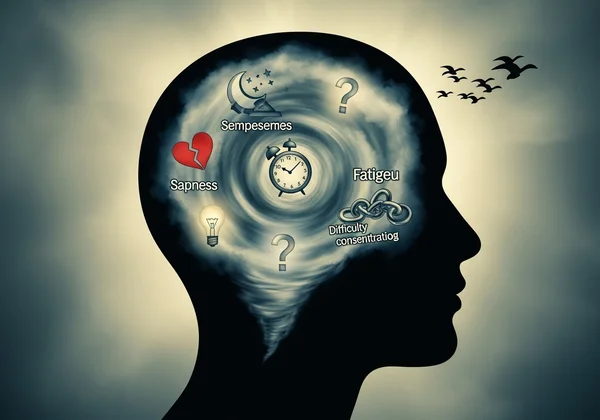
Emotional and Mood Changes: More Than Just Feeling Down
The emotional core of depression is often the most recognized symptom. This includes:
- Persistent feelings of sadness, emptiness, or hopelessness.
- Irritability, frustration, or angry outbursts over small matters.
- Loss of interest or pleasure in hobbies, sports, and other activities (anhedonia).
- Feelings of worthlessness or excessive guilt, fixating on past failures.
Physical and Behavioral Symptoms: The Unseen Impact on Your Body & Life
Depression is not just in your head; it lives in your body, too. Physical symptoms are real and can be debilitating.
- Significant changes in sleep patterns, such as insomnia or sleeping too much.
- Tiredness and lack of energy, making even small tasks feel exhausting.
- Appetite changes, leading to unintentional weight loss or gain.
- Unexplained physical problems, like back pain or headaches.
- Social withdrawal and isolation.
Cognitive Symptoms: How Depression Affects Your Thoughts and Focus
The condition can cloud your thinking, making it difficult to function mentally.
- Trouble thinking, concentrating, making decisions, and remembering things.
- Slowed thinking, speaking, or body movements.
- Frequent or recurrent thoughts of death or suicide.
If you are experiencing these thoughts, please seek immediate help. A screening tool can be a first step, but a crisis requires immediate professional intervention. You can understand your feelings in a safe and private way.
Exploring the Different Types of Depression
Depression isn't a one-size-fits-all condition. There are several types of depression, each with its own unique set of characteristics. Identifying the specific type can help tailor the most effective treatment plan. A PHQ9 test, like the one available on our site, is often used to screen for one of the most common forms.
Major Depressive Disorder (MDD): The Most Common Form
This is the classic form of depression, characterized by a persistent low mood, loss of interest, and other symptoms that are severe enough to interfere with daily life. An episode of major depressive disorder can be debilitating, but it is also highly treatable.
Persistent Depressive Disorder (Dysthymia): Long-Term Low Mood
Dysthymia is a chronic form of depression where a low mood lasts for at least two years. While the symptoms may be less severe than those of MDD, their long-lasting nature can have a profound impact on a person's life and relationships.
Other Forms: Seasonal Affective Disorder, Postpartum Depression, & More
Other types of depression are linked to specific circumstances. Seasonal Affective Disorder (SAD) is tied to the change in seasons, typically starting in the fall and winter. Postpartum Depression occurs after childbirth and is far more severe than the "baby blues." Recognizing these specific forms is key to getting targeted help.
Understanding the Causes and Risk Factors for Depression
There is no single cause of depression. It appears to result from a complex combination of genetic, biological, environmental, and psychological factors. No one is to blame for developing depression; it is an illness, not a choice.
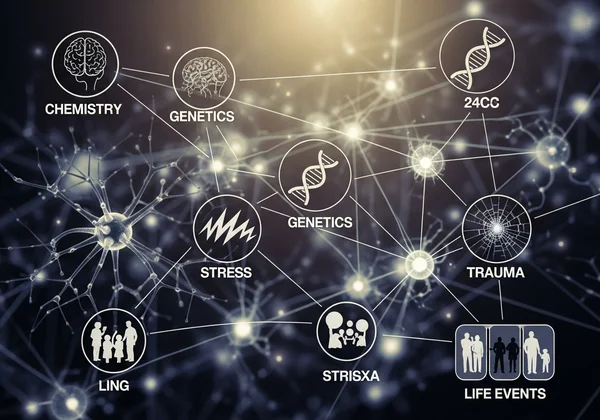
Biological Factors: Brain Chemistry, Genetics, and Physical Health
Research suggests that brain chemistry plays a significant role. Neurotransmitters—chemicals that carry signals in the brain—can become imbalanced. Genetics also contribute; having a close family member with depression increases your risk. Certain medical conditions and medications can also trigger depressive symptoms.
Environmental and Psychological Factors: Stress, Trauma, and Life Events
Prolonged exposure to stress, violence, neglect, or abuse can make some people more vulnerable to depression. Major life events, such as the death of a loved one, financial problems, or a difficult relationship, can also trigger a depressive episode.
Getting Help for Depression: Treatment Options and Coping Strategies
The most important thing to know about depression is that it is treatable. Reaching out for depression help is a sign of strength. A combination of professional treatment and self-care strategies can lead to significant improvement and recovery. Taking an online mental health test can be a confidential first step to guide this process.

Professional Treatments: Therapy (CBT, IPT) and Medication
Psychotherapy, or "talk therapy," is a highly effective treatment. Cognitive Behavioral Therapy (CBT) helps you identify and change negative thought patterns, while Interpersonal Therapy (IPT) focuses on improving your relationships. Antidepressant medications may also be prescribed by a doctor to help balance brain chemistry.
Self-Help and Lifestyle Changes: What You Can Do Daily
Alongside professional help, certain lifestyle changes can make a big difference:
- Regular Exercise: Physical activity can boost mood-enhancing endorphins.
- Balanced Diet: What you eat can affect your mood and energy levels.
- Adequate Sleep: Aim for a consistent sleep schedule of 7-9 hours per night.
- Mindfulness and Meditation: These practices can help you stay grounded in the present moment.
- Connecting with Others: Avoid isolation by reaching out to trusted friends and family.
Supporting Someone with Depression: A Guide for Friends & Family
If someone you care about has depression, your support is invaluable. Listen without judgment, offer encouragement, and help them with daily tasks. Remind them that they are not alone and that help is available. Encouraging them to take a confidential online assessment can be a gentle way to open a conversation.
Your First Step to Clarity: Taking a Free Depression Screening
Feeling overwhelmed by all this information? That's completely understandable. The simplest and most immediate action you can take is to gain a clearer picture of your own situation. A free depression screening is a powerful first step. Our platform uses the PHQ-9, a scientifically validated questionnaire that professionals use to help screen for depression. It’s completely free, anonymous, and takes only a few minutes. The results provide a clear summary that can help you decide what to do next.
Taking Control: Your Path to Understanding and Wellness
Understanding depression is the first step on the path to wellness. It is a complex condition, but it is not a life sentence. By recognizing the signs, exploring the potential causes, and knowing that effective help is available, you can move from a place of uncertainty to one of empowerment. You have the ability to take control of your journey.
We invite you to start that journey today. Taking a free, confidential mental health test is a simple, private step toward understanding your emotional health and discovering the path that is right for you.
Disclaimer: This article is for informational purposes only and does not constitute medical advice. The content is not intended to be a substitute for professional medical advice, diagnosis, or treatment. Always seek the advice of your physician or other qualified health provider with any questions you may have regarding a medical condition. The screening tools on this platform are for educational and self-exploration purposes and cannot provide a diagnosis.
Your Questions About Depression Answered
Is depression a sign of poor mental wellbeing?
Yes, clinical depression is one of the most significant indicators of poor mental wellbeing. It affects your ability to function and enjoy life. However, like any health issue, it can be managed and treated. Taking a preliminary mental health assessment can help you gauge where you stand.
How accurate is an online depression test like PHQ-9?
The PHQ-9 is a highly reliable and scientifically validated screening tool used by healthcare professionals worldwide. While it is not a formal diagnosis, it is very accurate at indicating the presence and severity of depressive symptoms. It provides a strong basis for a conversation with a doctor or therapist. You can try our free tool to see how it works.
Can I have depression and not realize it?
Absolutely. Sometimes, the symptoms of depression build so gradually that you may not recognize the change in yourself. You might feel perpetually tired, irritable, or just "off" without connecting it to depression. This is why objective screening tools are so helpful—they can highlight patterns you may not have noticed.
What's the difference between clinical depression and feeling sad?
Sadness is a normal human emotion that is usually tied to a specific event and passes with time. Clinical depression is a persistent medical condition characterized by a wider range of debilitating symptoms (emotional, physical, and cognitive) that last for at least two weeks and interfere with your daily life.
When should I seek professional help for depression?
You should seek professional help if your symptoms are persistent, are negatively affecting your work, relationships, or health, and are causing you significant distress. If you are having any thoughts of harming yourself, seek help immediately. A mental health screening result showing moderate to severe symptoms is a strong indicator that it's time to talk to a professional. You can always start your assessment to get a clearer picture.