Free Mental Health Test: 7 Science-Backed Ways to Manage Daily Anxiety
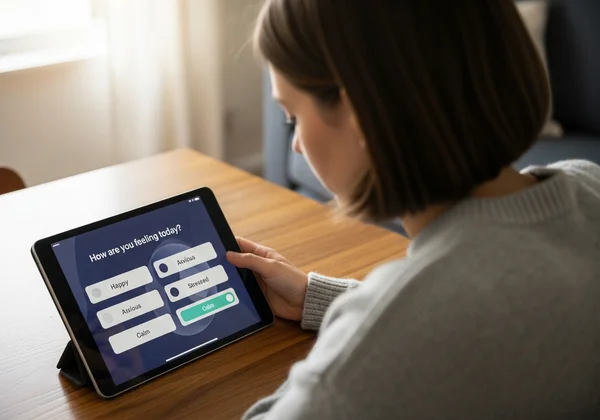
Feeling overwhelmed by anxiety after your test? Or perhaps you're just starting to question those persistent feelings of worry and unease. Understanding your emotional landscape is a crucial first step, and if you're wondering how to test mental health, you’ve already shown great courage. This guide offers seven practical, science-backed strategies to help you manage daily anxiety symptoms and regain a sense of calm. You are not alone, and effective coping skills are well within your reach.
The journey to better emotional wellbeing begins with self-awareness. Taking a moment to understand your feelings with a mental health assessment can provide the clarity you need to move forward. Let's explore actionable ways to navigate the challenges of anxiety together.
Practical Anxiety Coping Skills for Immediate Relief
When anxiety spikes, it can feel like your mind and body are in a state of alarm. The key is to have a toolkit of strategies that can offer immediate relief, helping you ground yourself and de-escalate the intensity of the moment. These techniques are designed to be simple, effective, and usable anywhere, anytime.
Grounding Techniques to Reconnect with the Present
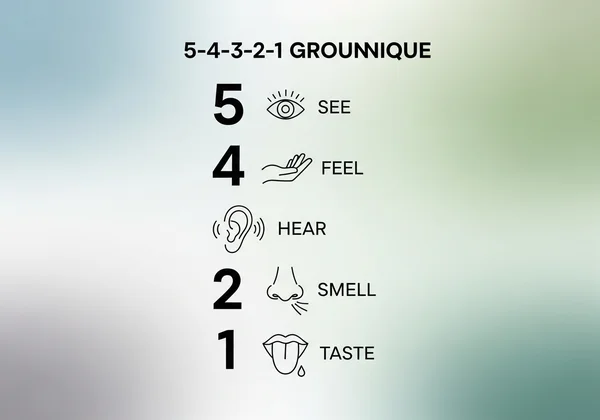
When you feel anxious, your thoughts are often racing about the future or ruminating on the past. Grounding techniques for anxiety are powerful tools that pull your focus back to the present moment, interrupting the cycle of worry. One of the most effective methods is the 5-4-3-2-1 technique.
Take a deep breath and gently notice:
- 5 things you can see: Look around you and name five objects. It could be a pen on your desk, a crack in the ceiling, or a bird outside the window.
- 4 things you can feel: Bring your attention to the physical sensations. Notice the texture of your clothes, the feeling of your feet on the floor, or the cool surface of a table.
- 3 things you can hear: Listen closely to the sounds around you. It might be the hum of a computer, distant traffic, or your own breathing.
- 2 things you can smell: What scents are in the air? Maybe it's coffee brewing or the fresh scent of rain.
- 1 thing you can taste: Focus on one taste. You can take a sip of water or simply notice the taste inside your mouth.
This exercise forces your brain to focus on your immediate sensory experience, providing a much-needed break from anxious thoughts.
The Power of Breath: Simple Exercises to Calm Your Nervous System
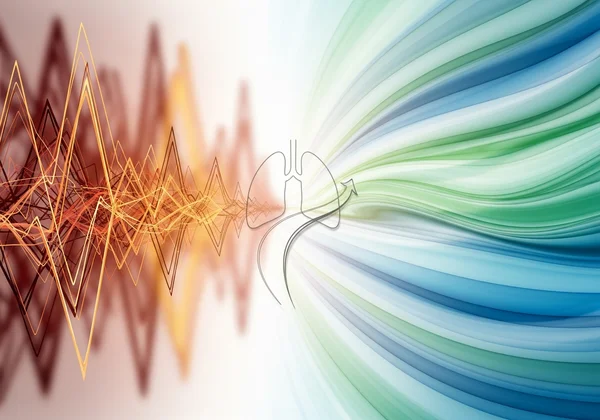
Your breath is one of the most powerful tools you have to calm your nervous system. When you're anxious, your breathing becomes shallow and rapid, signaling danger to your brain. By intentionally slowing your breath, you can send a message of safety and calm back to your body.
A simple yet profound exercise is "Box Breathing":
- Find a comfortable seated position.
- Gently exhale all the air from your lungs.
- Inhale slowly through your nose for a count of four.
- Hold your breath for a count of four.
- Exhale slowly through your mouth for a count of four.
- Hold your breath at the end of the exhale for a count of four.
- Repeat this cycle for a few minutes until you feel a sense of calm returning.
Challenging Anxious Thoughts with Cognitive Reframing
Anxiety is often fueled by negative thought patterns and cognitive distortions, such as catastrophizing (imagining the worst-case scenario) or all-or-nothing thinking. Cognitive reframing is a technique rooted in Cognitive Behavioral Therapy (CBT) that involves identifying, challenging, and changing these unhelpful thoughts.
When an anxious thought arises, ask yourself:
- Is this thought 100% true? What evidence do I have for and against it?
- What is a more balanced or realistic way to view this situation?
- What would I say to a friend who had this thought?
- Even if the worst-case scenario happens, how would I cope?
By questioning your thoughts instead of accepting them as fact, you strip them of their power and create space for a more rational perspective.
Science-Backed Anxiety Relief: Understanding Why These Methods Work
These coping skills aren't just tricks; they are rooted in a deep understanding of our psychology and physiology. Knowing why they work can empower you to use them more effectively and build confidence in your ability to manage your anxiety.
How Your Brain and Body Respond to Stress and Anxiety
When your brain perceives a threat—whether real or imagined—it triggers the "fight-or-flight" response. Your adrenal glands release cortisol and adrenaline, your heart rate increases, and your breathing quickens. This is your body’s ancient survival mechanism. However, in modern life, this response can be triggered by work deadlines, social situations, or persistent worry.
Grounding and breathing exercises directly counteract this physiological response. Slow, deep breathing activates the parasympathetic nervous system, often called the "rest-and-digest" system. This tells your brain the danger has passed, lowering your heart rate and promoting relaxation.
The Role of Mindfulness in Reducing Overwhelm
Mindfulness is the practice of paying attention to the present moment without judgment. It is the underlying principle behind many effective anxiety-relief techniques. Anxiety often thrives when we are lost in thought, worrying about things that haven't happened. Mindfulness teaches you to observe your thoughts and feelings from a distance, rather than getting entangled in them. You learn that thoughts are just mental events—they are not reality, and they do not have to control you. This practice builds mental resilience and reduces the feeling of being constantly overwhelmed.
Beyond the Moment: Sustaining Calm and Building Resilience
While immediate relief is crucial, the long-term goal is to build a foundation of mental wellness that makes you less susceptible to anxiety's grip. This involves creating sustainable habits and knowing when to reach out for more support. To explore your wellbeing further is a continuous and rewarding process.
Integrating Daily Practices into Your Routine for Lasting Change
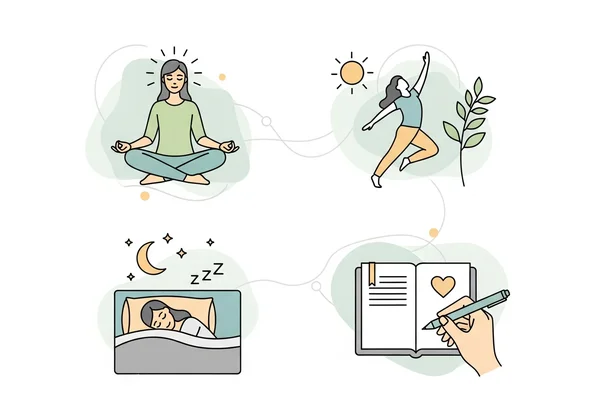
Consistency is key to building resilience. Instead of waiting for anxiety to strike, integrate small, positive habits into your daily life. This could include:
- A 5-minute mindfulness session each morning.
- Regular physical activity, which is a proven mood booster and stress reducer.
- Prioritizing sleep, as lack of rest can significantly worsen anxiety.
- Keeping a journal to process your thoughts and identify anxiety triggers.
These small, consistent efforts compound over time, strengthening your mental fortitude and creating a buffer against stress.
Knowing When to Seek Professional Guidance for Persistent Anxiety
Self-help strategies are incredibly powerful, but they are not always enough. It's a sign of strength, not weakness, to recognize when you need professional support. Consider seeking help from a therapist or doctor if:
- Your anxiety is interfering with your daily life, work, or relationships.
- You experience frequent panic attacks.
- Self-help techniques are not providing sufficient relief.
- You are using unhealthy coping mechanisms like substance use.
A professional can offer a formal diagnosis, therapy, and other treatment options tailored to your specific needs. Understanding your starting point with a free, confidential test can be an excellent way to prepare for that conversation.
Your Path Forward: Taking Control of Your Anxiety
Managing daily anxiety is not about eliminating it entirely but about learning to respond to it in a healthier, more empowered way. By using grounding techniques, practicing mindful breathing, and challenging anxious thoughts, you can regain control in difficult moments. By understanding the science behind these tools and building sustainable habits, you pave the way for long-term resilience and emotional wellbeing.
Your journey is unique, and taking the time to learn about yourself is the most important step. If you're ready to gain deeper insights into your emotional health, we invite you to start your journey on our homepage. Our tools are free, anonymous, and designed to empower you with knowledge.
Disclaimer: This article is for informational purposes only and does not constitute medical advice. The content is not intended to be a substitute for professional medical advice, diagnosis, or treatment. Always seek the advice of a qualified health provider with any questions you may have regarding a medical condition. Never disregard professional medical advice or delay in seeking it because of something you have read here. If you are in a crisis, please contact a local emergency hotline immediately.
Frequently Asked Questions About Anxiety Management & Mental Health
How accurate is an online mental health test?
This is a fantastic question. An online mental health test from a reputable source like ours is a highly effective screening tool, not a diagnostic tool. Our tests are based on clinically validated questionnaires like the GAD-7 for anxiety and PHQ-9 for depression, which are used by healthcare professionals worldwide. They provide a reliable snapshot of your symptoms and their severity, helping you understand if you should seek further professional evaluation. Think of it as a trustworthy first step to understand your feelings privately and securely.
What are 5 signs of poor mental wellbeing?
Poor mental wellbeing can manifest in many ways, but some common signs to watch for include:
- Persistent sadness or irritability: A low mood that lasts for two weeks or more.
- Changes in sleep or appetite: Sleeping or eating significantly more or less than usual.
- Social withdrawal: Losing interest in activities or hobbies you once enjoyed and avoiding friends or family.
- Excessive worry or fear: Feeling constantly on edge, anxious, or overwhelmed by irrational fears.
- Difficulty concentrating: Struggling to focus on tasks at work, school, or home. Recognizing these signs is the first step toward addressing them.
How to test mental health?
Testing your mental health has never been more accessible. A great way to start is with a confidential online mental health test. On platforms like our mental health test platform, the process is simple: you answer a series of questions based on your feelings and experiences over the past couple of weeks. The process is completely anonymous—no registration required. You receive your results instantly, giving you a clear, science-based score and interpretation. This can help you quantify what you've been feeling and provide guidance on potential next steps.