Physical Symptoms of Mental Health
Have you ever experienced persistent headaches, unexplained fatigue, or digestive issues that medical tests can't fully explain? Could your physical pain be a sign of an emotional struggle? These physical sensations might actually be signals from your mental health, acting as an internal alarm system for your body.
Let's explore the fascinating and often overlooked connection between your mind and body. We will reveal how mental health conditions frequently manifest as physical symptoms. Understanding this connection is the first step toward recognizing when you might need support. If you feel overwhelmed, you can start your test to better understand your emotional wellbeing in a private and secure way.
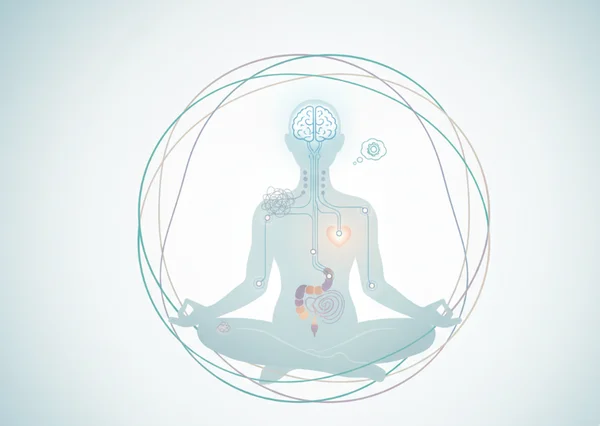
Understanding the Mind-Body Connection
The mind-body connection is not just a philosophical idea; it is a biological reality. Your brain and your body are constantly communicating through a complex network of nerves, hormones, and chemical signals. When your mental state changes, your physical state often follows.
How Your Brain Influences Physical Sensations
Your brain is the command center for your entire body. When you experience a strong emotion, your brain sends signals to various organs. For example, if you feel afraid, your brain triggers the release of adrenaline. This causes your heart to beat faster and your muscles to prime for action.
This process is beneficial in short bursts, such as during an emergency. However, if your brain stays in a state of high alert due to chronic stress or anxiety, these signals never turn off. Over time, this constant communication can lead to physical wear and tear. You may feel "sick" even when there is no visible infection.
The Science Behind Psychosomatic Symptoms
The term "psychosomatic" comes from the Greek words psyche (mind) and soma (body). It refers to physical symptoms that are caused or aggravated by mental factors. These symptoms are very real; they are not "all in your head."
Scientists have found that mental distress can lower your pain threshold. When you are depressed or anxious, your brain’s ability to "gate" or filter out minor pain signals weakens. This means you might feel physical discomfort more intensely than someone who is mentally balanced. To see how your current state might be affecting you, it is helpful to see your results through a standardized screening tool.
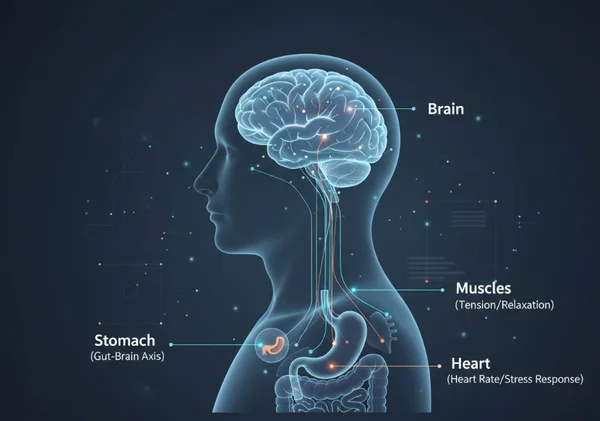
Common Physical Manifestations of Mental Health Conditions
Mental health issues do not stay confined to your thoughts. They often leak out into your physical form in predictable ways. Some of the most common physical manifestations include:
- Chronic muscle tension, especially in the neck and shoulders.
- Gastrointestinal distress, such as bloating or cramping.
- Changes in heart rate and breathing patterns.
- Skin flare-ups, such as eczema or hives triggered by stress.
- Fluctuations in weight and appetite.
By identifying these signs early, you can take a free mental health test to determine if your physical ailments are linked to your emotional state.
Physical Symptoms of Anxiety and Stress
Anxiety is more than just "worrying." It is a systemic response that prepares the body for a perceived threat. This is often called the "fight or flight" response. When this response is triggered too often, it leads to distinct anxiety physical manifestations.
Muscular Tension and Pain
When you are stressed, your muscles contract to protect you from injury. If you are constantly anxious, your muscles never get the chance to relax. This leads to chronic tension. Many people with high anxiety report tension headaches or back pain that does not respond to traditional physical therapy.
You might notice that your jaw is clenched or your shoulders are hiked up toward your ears. Over months, this constant contraction can lead to localized inflammation and long-term discomfort.
Digestive Issues and Nausea
The gut is often called the "second brain" because it contains a vast network of neurons. Anxiety disrupts the communication between the brain and the digestive system. This can result in a "knot" in the stomach, butterflies, or even more severe issues like irritable bowel syndrome (IBS).
If you find yourself rushing to the bathroom before a big meeting or feeling nauseous when you are worried, your body is reacting to mental stress. Monitoring these patterns is a great reason to take a free test to evaluate your anxiety levels.
Heart Palpitations and Chest Tightness
One of the most frightening physical symptoms of anxiety is chest tightness. It can feel like a heavy weight sitting on your chest or a sudden racing heart. While you should always rule out heart conditions with a doctor, these are classic signs of a panic attack or high-functioning anxiety.
During these episodes, your body pumps out cortisol and adrenaline. This increases your heart rate to move blood to your limbs, making your heart feel like it is skipping a beat. If you experience these sensations regularly, you can evaluate your symptoms to see if anxiety is the likely trigger.
Headaches and Dizziness
Chronic stress often leads to vascular changes and muscle strain that cause frequent headaches. Furthermore, anxiety can affect your inner ear and your breathing patterns. Hyperventilation may result in feelings of lightheadedness or vertigo. If you frequently feel dizzy without a clear medical cause, it might be time to look at your mental health.
Physical Signs of Depression
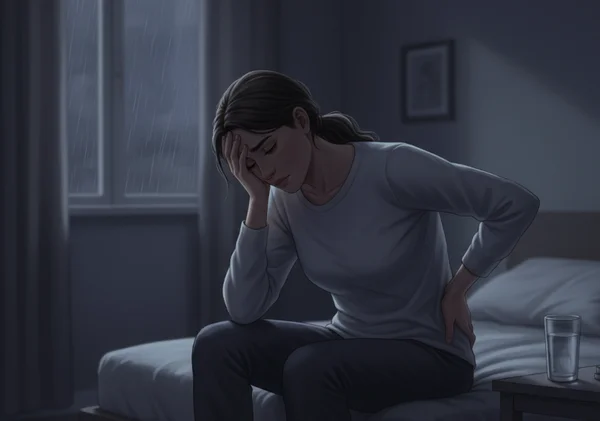
Depression is often characterized by sadness, but for many, it feels like a physical heavy blanket. Depression body aches are a clinical reality that many patients report during their first visit to a professional.
Persistent Fatigue and Low Energy
This is not the kind of tiredness that goes away with a good night's sleep. Depression-related fatigue feels like moving through molasses. Even simple tasks, like brushing your teeth or making a meal, can feel physically exhausting.
This happens because depression affects the neurotransmitters responsible for motivation and energy, such as dopamine and norepinephrine. If you feel constantly drained, you can use our online tool to see if depression might be the underlying cause.
Unexplained Aches and Pains
Depression and physical pain share the same biological pathways in the brain. Research shows that people with depression often experience more joint pain, limb pain, and backaches. The brain's "volume control" for pain is disrupted. This means minor aches that others might ignore can become debilitating for someone struggling with depression.
Changes in Appetite and Digestion
Depression can swing your appetite in either direction. Some people lose interest in food entirely, leading to weight loss and weakness. Others "stress eat" or use food as a source of comfort, leading to weight gain. Both extremes can cause further digestive issues and metabolic changes that affect your physical health.
Sleep Disturbances
While some people with depression sleep too much (hypersomnia), many struggle with insomnia. You might find it hard to fall asleep, or you might wake up at 3:00 AM unable to go back to sleep. This lack of restorative rest worsens every other physical symptom. It creates a vicious cycle of physical and mental decline.

Recognize the Signals and Take Your Next Step
Your body is a powerful communicator. When physical symptoms persist without a clear medical explanation, it is essential to consider the mind-body connection. Headaches, fatigue, and stomach issues are often the body's way of saying that the mind is under too much pressure.
Understanding how mental health conditions manifest physically puts you on the path to healing. Recognizing these signals allows you to address the root cause rather than just the symptoms. Our free mental health test provides a safe, anonymous, and scientifically-backed way to explore your wellbeing.
Remember, taking the first step to understand your health is a sign of strength. Whether you are a student, a working professional, or a concerned supporter, knowing your "score" can empower you to seek the right kind of help. Don't ignore what your body is trying to tell you—start your assessment today and move toward a healthier, more balanced life.
FAQ Section
Can anxiety really cause physical symptoms like headaches and stomach problems?
Yes, absolutely. Anxiety triggers the body’s "stress response," which releases hormones like cortisol. These hormones directly affect your muscles and your digestive system. This can lead to tension headaches and issues like nausea, cramping, or IBS. If you are curious about your anxiety levels, you can try our free tool for an immediate screening.
How do I know if my physical symptoms are related to mental health or something else?
The best approach is to consult a medical doctor first to rule out physical illnesses. However, if your tests come back normal and your symptoms flare up during times of stress, there is a high chance they are related to your mental health. Tracking your moods alongside your physical symptoms can provide valuable insights.
Are the physical symptoms of mental health treatable?
Yes. When you treat the underlying mental health condition—through therapy, lifestyle changes, or professional guidance—the physical symptoms often improve or disappear. Managing stress through mindfulness, exercise, and proper sleep can also help reduce the physical toll on your body.
Can a mental health test help me understand my physical symptoms?
A mental health test acts as a screening tool. It uses validated scales like the GAD-7 for anxiety or PHQ-9 for depression to help you see if your emotional state matches common clinical patterns. While it is not a diagnosis, it provides a clear starting point. You can start your test to get a personalized report on your current wellbeing.
When should I be concerned about physical symptoms related to mental health?
You should consider seeking help if your physical symptoms interfere with your daily life, such as preventing you from working, sleeping, or socializing. If you experience chest pain or severe shortness of breath, always seek emergency medical care first to rule out a heart attack, but keep in mind that these can also be signs of severe panic that require mental health support.
Disclaimer: The content of this article is for informational purposes only and is not a substitute for professional medical advice, diagnosis, or treatment. Always seek the advice of your physician or other qualified health provider with any questions you may have regarding a medical condition.