Understanding & Managing Anxiety: A Mental Health Test Guide
That persistent knot in your stomach, the constant hum of 'what if'—feeling overwhelmed by anxiety is a deeply human experience, and if you're feeling it, you are definitely not alone. When that worry becomes so persistent that it casts a shadow over your life, understanding what's happening inside is the first powerful step toward regaining control. This guide is here to help demystify anxiety, explore its symptoms, and show you how a free mental health test can be a supportive and clarifying first step on your path forward. Are you ready to understand your emotional wellbeing better?
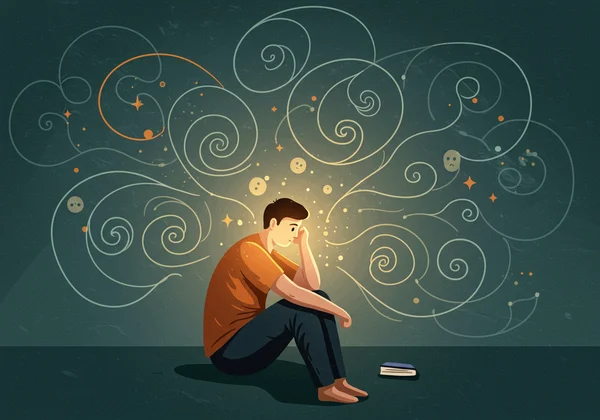
Our goal is to provide clarity and empower you with knowledge and tools. This journey begins with understanding. By learning about anxiety, you can begin to identify effective strategies for managing it and move toward a calmer, more balanced state of mind. You can gain initial insights by taking a free online assessment.
What Exactly Is Anxiety?
Think of anxiety as your body's built-in alarm system, a natural response to stress. It's that familiar feeling of fear or worry about what's ahead. Think of the nervousness before a big presentation or the worry you feel when facing a difficult problem. In these situations, anxiety is normal and can even be helpful. It keeps us alert and aware.
However, when these feelings of intense fear and distress become overwhelming and prevent you from living your life as you'd like, it may signal an anxiety disorder. It's the difference between a smoke detector that alerts you to a fire and one that goes off every time you make toast. Understanding this distinction is key to recognizing when it's time to seek support.
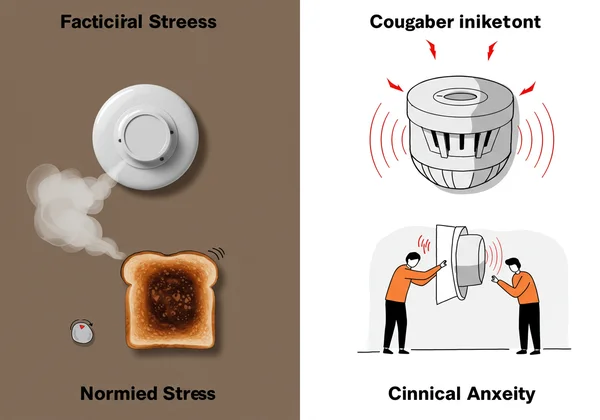
The Difference Between Normal Stress and Clinical Anxiety
It's crucial to distinguish everyday stress from a clinical anxiety condition. Stress is typically a response to an external cause, like a tight deadline at work or an argument with a friend. Once the trigger is resolved, the feeling of stress usually subsides. Clinical anxiety, on the other hand, often persists even without a clear trigger.
The main differences lie in intensity, duration, and impact. While stress is temporary, anxiety can be chronic and feel all-consuming. It can interfere with your ability to function at work, maintain relationships, and enjoy daily activities. It’s a persistent feeling that something is wrong, impacting your overall emotional wellbeing.
How Anxiety Impacts Daily Life and Overall Wellbeing
The ripple effects of untreated anxiety can touch every corner of your life. Physically, it can lead to chronic fatigue, headaches, and digestive issues. Emotionally, it can cause irritability, restlessness, and a constant feeling of dread. This can make it difficult to concentrate at work or school and can strain relationships with loved ones who may not understand what you're going through.
Behaviorally, you might start avoiding situations that trigger your anxiety, causing your world to become smaller. Over time, this avoidance can lead to missed opportunities and social isolation. Recognizing these impacts is vital because it highlights the importance of developing healthy coping strategies.
Understanding Different Types of Anxiety Disorders
Anxiety is not a monolithic experience; it manifests in several distinct forms. Knowing about the different types of anxiety disorders can help you put a name to what you're feeling, which can be an incredibly validating experience. This knowledge can turn a vague, unsettling feeling into a clear challenge you're ready to tackle.
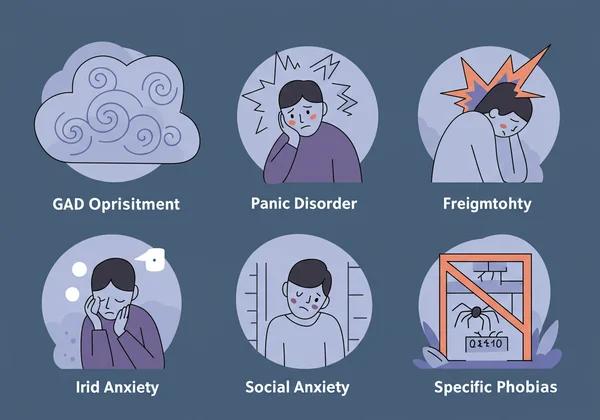
From constant, generalized worry to sudden, intense panic attacks, each disorder has unique characteristics. While only a professional can provide a diagnosis, familiarizing yourself with these types can provide context for your feelings and guide you toward the right resources, like an initial confidential screening.
Generalized Anxiety Disorder (GAD): The Chronic Worrier
Generalized Anxiety Disorder, or GAD, is characterized by persistent and excessive worry about various things, from health and money to work and family. People with GAD find it difficult to control their worry and may anticipate disaster, even when there's no apparent reason for concern. This condition is often assessed using a GAD-7 screening tool, a scientifically validated questionnaire that helps measure the severity of anxiety symptoms.
Panic Disorder, Social Anxiety & Specific Phobias
Other common forms of anxiety include Panic Disorder, which involves sudden and repeated episodes of intense fear known as panic attacks. Social Anxiety Disorder involves overwhelming worry and self-consciousness about everyday social situations. Finally, Specific Phobias are characterized by an intense, irrational fear of a specific object or situation, like flying, heights, or spiders. Each of these conditions requires a different approach to management and treatment.
Recognizing Anxiety: Common Symptoms and Signs
Identifying the anxiety symptoms you're experiencing is a critical step in the journey toward managing them. These signs can be physical, emotional, or behavioral, and they often intertwine. Paying attention to these signals can help you understand your triggers and measure the intensity of your feelings over time.
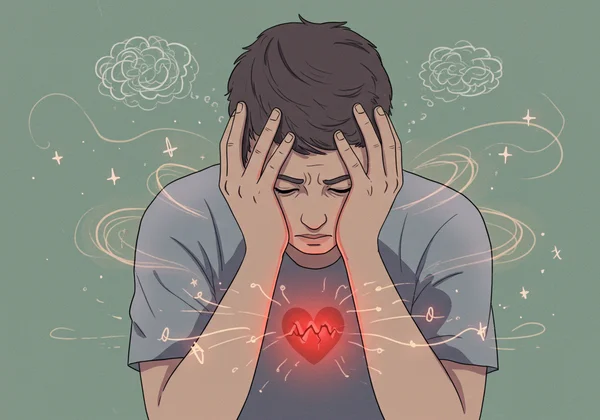
Think of these symptoms as messengers. They are your body's way of telling you that your nervous system is in overdrive. Listening to these messages without judgment is the first step toward responding with compassion and effective action. A mental health assessment can help you organize and quantify these symptoms.
Physical Symptoms: What Your Body Tells You
Anxiety isn't just "in your head"; it's a full-body experience. The physical sensations can be alarming if you don't know what's causing them. Common physical symptoms include:
- A pounding or racing heart
- Shortness of breath or a feeling of being smothered
- Dizziness or lightheadedness
- Muscle tension and aches
- Stomach problems, such as nausea or diarrhea
- Sweating, trembling, or shaking
Emotional & Behavioral Signs to Watch For
Alongside the physical sensations, anxiety brings a host of emotional and behavioral changes. You might notice:
- Feelings of dread or impending doom
- Difficulty concentrating or your mind going blank
- Irritability and restlessness
- Feeling constantly "on edge" or jumpy
- Avoiding places, people, or activities that trigger your anxiety
What are 5 signs of poor mental wellbeing?
While symptoms vary, some general indicators of declining mental wellbeing can serve as a warning. Directly answering the question, What are 5 signs of poor mental wellbeing?, here are five common signs to watch for:
- Persistent Sadness or Irritability: A low mood or unusual irritability that lasts for more than two weeks.
- Changes in Sleep or Appetite: Sleeping or eating significantly more or less than usual.
- Social Withdrawal: Losing interest in hobbies and activities you once enjoyed, and pulling away from friends and family.
- Difficulty Functioning: Struggling to perform daily tasks at work, school, or home.
- Excessive Worry or Fear: Feeling anxious or worried most of the time, often without a clear reason.
Effective Strategies for Managing Your Anxiety
Once you've identified your symptoms, you can begin exploring strategies for managing anxiety. The goal isn't to eliminate anxiety completely—as it's a normal emotion—but to reduce its power over your life. A combination of self-help techniques and professional support often yields the best results.
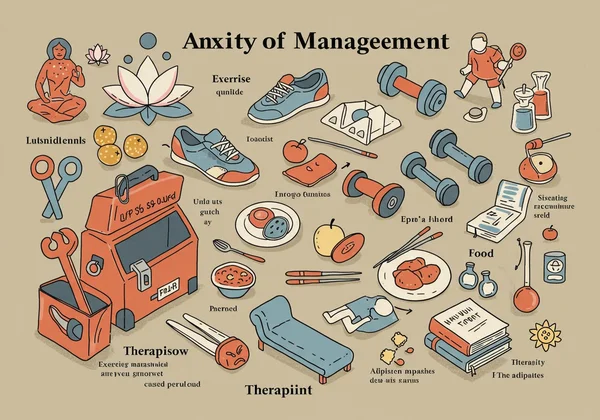
Empowering yourself with practical tools can make a significant difference in your day-to-day experience. It’s about building a toolkit of strategies you can turn to when you feel the waves of anxiety begin to rise. Start with small, manageable steps to build momentum and confidence.
Self-Help Techniques You Can Practice Daily
There are many simple yet powerful techniques you can integrate into your daily routine. Mindfulness and deep breathing exercises can calm your nervous system in moments of high stress. Regular physical activity is a proven mood booster and anxiety reducer. Limiting caffeine and alcohol, ensuring you get enough sleep, and eating balanced meals also play a crucial role in stabilizing your mood. Journaling can be a great way to process worried thoughts and gain perspective.
When Professional Help Becomes Essential
Self-help strategies are invaluable, but sometimes they aren't enough. If anxiety is significantly disrupting your ability to live your life, it's a sign that professional help may be needed. A therapist can offer evidence-based treatments like Cognitive-Behavioral Therapy (CBT), while a doctor can discuss whether medication is an appropriate option. Reaching out is a sign of strength, not weakness.
Taking the First Step: A Free & Confidential Mental Health Test
Feeling unsure about your symptoms or whether they're "serious enough" is completely normal. This is where a free and confidential mental health test can be an invaluable tool. It offers a private, accessible way to get a clearer picture of what you're experiencing, based on standardized, science-backed questions.
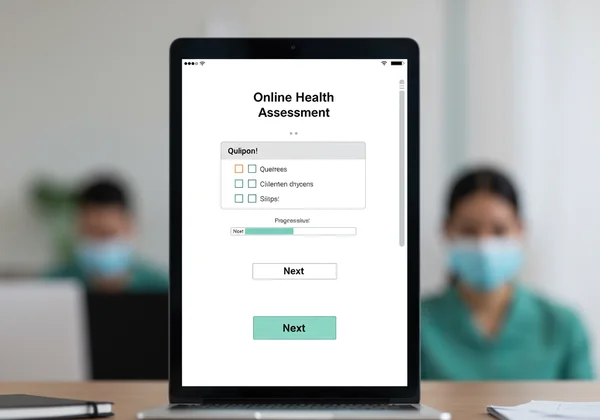
This is a proactive step toward self-awareness. It provides a baseline, a starting point from which you can make informed decisions about your wellbeing. The process is quick, completely anonymous, and designed to empower you with immediate, meaningful results. Why not start your assessment now?
How Online Screening Tools Can Help You Understand Anxiety
So, how to test mental health online? These tools, often based on clinical scales like the GAD-7, guide you through a series of questions about your experiences over the past couple of weeks. Your answers are scored to provide an estimate of your symptom severity—ranging from mild to severe. This isn't a diagnosis, but rather a self-assessment that translates your feelings into objective data. It can validate your experience and give you the confidence to take the next step, whether that's trying new coping strategies or speaking with a professional.
Your Personalized Insights and Next Steps for Your Mental Health Journey
What sets our tool apart is the option to receive a personalized, AI-driven report. This goes beyond a simple score. It provides deeper insights into your personal strengths, challenges, and how your symptoms might be affecting your daily life. It also offers actionable suggestions and resources tailored to your results. This transforms data into a clear, supportive roadmap for your mental health journey. It’s a powerful way to unlock your insights and feel equipped to move forward.
Your Path to Understanding and Managing Anxiety Starts Now
This journey of understanding and managing anxiety is uniquely yours, and it begins with the brave step of acknowledging your feelings. Remember, every small action—from reading this guide to exploring coping strategies—is a powerful stride toward emotional wellbeing. You don't have to walk this path alone. A free and confidential screening can be the first light on your journey, providing the clarity you need to move forward with confidence. We encourage you to take a free assessment on our platform. It's a simple, private step that can make all the difference.
FAQ Section
How accurate is an online anxiety test like GAD-7?
Online screening tools like the GAD-7 are highly reliable and have been scientifically validated for accuracy in clinical settings. They are excellent at identifying symptoms and their severity. However, it's crucial to remember they are screening tools, not diagnostic instruments. Their purpose is to provide a snapshot of your current mental state and indicate whether further evaluation by a healthcare professional might be beneficial.
Can an online test diagnose me with an anxiety disorder?
No, an online test cannot provide a formal diagnosis. Do i have a mental health disorder test? This is a question only a qualified healthcare professional, like a psychologist or psychiatrist, can answer after a comprehensive evaluation. An online test is a preliminary step to help you understand your symptoms and facilitate a more informed conversation with a professional.
What should I do if my anxiety test score is high?
A high score suggests you are experiencing significant anxiety symptoms that are likely impacting your life. The best next step is to schedule an appointment with your doctor or a mental health professional to discuss your results. You can print or save your results from the online mental health test to share with them. In the meantime, continue practicing the self-help techniques mentioned in this guide.
Are online mental health tests truly confidential?
Yes. Reputable online platforms like ours prioritize your privacy. Our tests are completely anonymous and confidential. We do not require you to create an account or provide any personally identifiable information. Your journey of self-discovery is safe and secure, allowing you to explore your feelings without fear or hesitation.